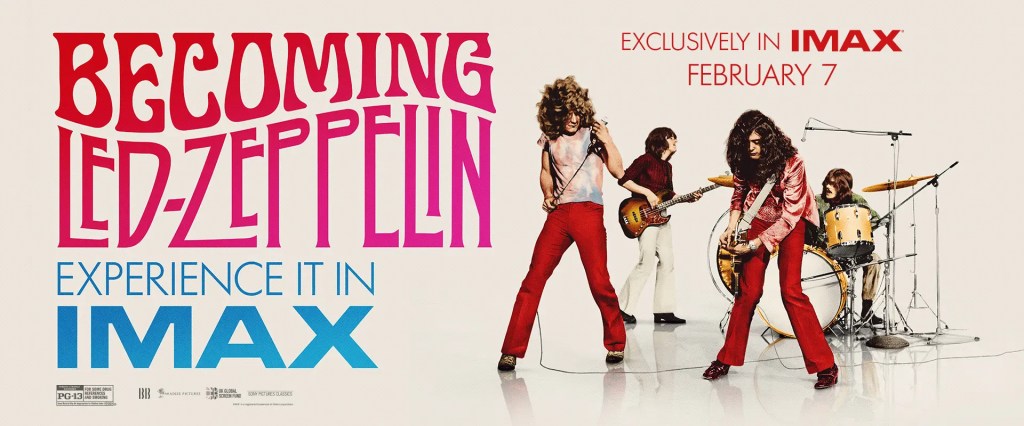
Growing up, and even now, Led Zeppelin remains the heartbeat of my musical soul. They are, and always will be, my favorite band. This past Saturday, my wife and I attended a screening of Becoming Led Zeppelin, a documentary about the band’s formative years and how they become legends.
The Russian Art of Systema, which has become an integral part of who I am, becomes visible everywhere when it is woven into your DNA. It seeps into my thoughts, lingering, almost always. As I watched the film, I couldn’t help but draw parallels between their artistry and the art I practice and love.
Here are some of the major themes that impacted me from the film:
Leaving Space
There’s a moment in the film where bassist John Paul Jones speaks of “leaving space” for the instruments to breathe. He used the song Ramble On as an example—a seamless fusion of acoustic and electric guitar, a pulsating bass line, thunderous drums, and Robert Plant’s soaring, unmistakable voice. Too many instruments, he explained, simply create noise. Similarly, too much movement in a performance can feel cluttered. True mastery, he implied, is about creating a dynamic space where each element can stand on its own while contributing to a greater whole.
Same holds true with Systema. When you are working with your partner or multiple partners, there is a strong element of flow when things go right. The opposite feels like you are forcing matters. Much like life situations, forcing typically ends up poorly while magic happens in the empty space.
Flow
Guitar virtuoso Jimmy Page shared a deeply poetic thought about the band members “when 4 became 5.” He explained that when all four members played in sync, it felt as if a fifth presence was alive in the music. It was that elusive, intangible flow that made them more than just a band.
This idea of flow is something I often see in Systema. When working with a partner—or multiple partners—the connection should feel effortless, like the pieces of a puzzle sliding into place. When it’s forced, it’s palpable. In life, too, when you try to control or manipulate every moment, you only create resistance. But when you are in flow, it’s almost as if the universe conspires to help you move forward.
Support
Another powerful theme in the documentary was the importance of having someone who believes in you. For Jimmy Page, it was his mother. For John Paul Jones, his father. For John Bonham, it was his wife, and for Robert Plant, it was Jimmy Page himself. In moments of self-doubt, they found refuge in those who loved them—people who offered quiet strength, allowing them to gather their courage and move forward on their own path.
For me like many, it is Vladimir. On a personal level, our quarterly conversations have meant more to me than years of training with other teachers in other disciplines. To be seen, respected, and believed in by someone you admire so greatly is a rare gift. It’s the kind of support that moves you when you feel stuck, the kind of encouragement that helps you take that next step even when the road ahead feels uncertain.
Conclusion
Ninety percent of my life is spent in pursuit of deeper meaning, intensity, and connection. The remaining ten percent? Well, I’m likely at Disney or playing with the wolves. So, it’s no surprise that even a documentary about a rock band would spark profound insights about life, Systema, and the human experience. After all, greatness often rises from unexpected places, and the lessons we find in the most unlikely of moments can be the ones that shape us most.
 Central FL Systema