Martial arts are often defined by physical movement, discipline, and the ability to read energy. But what if we told you that one of the most subtle, universal, and potent martial arts is body language? It’s not flashy. There are no belts or tournaments. But in every interaction, body language is a form of self-defense, influence, and power. And when understood, it can protect, persuade, and prevail.
A true martial artist doesn’t just strike — they sense. In the same way, reading body language allows you to detect aggression before it happens, to feel deceit without a word spoken, and to guide encounters with awareness and poise. It’s internal mastery turned external, a non-verbal kata that’s practiced in real-time, every day.
Consider these five key examples:
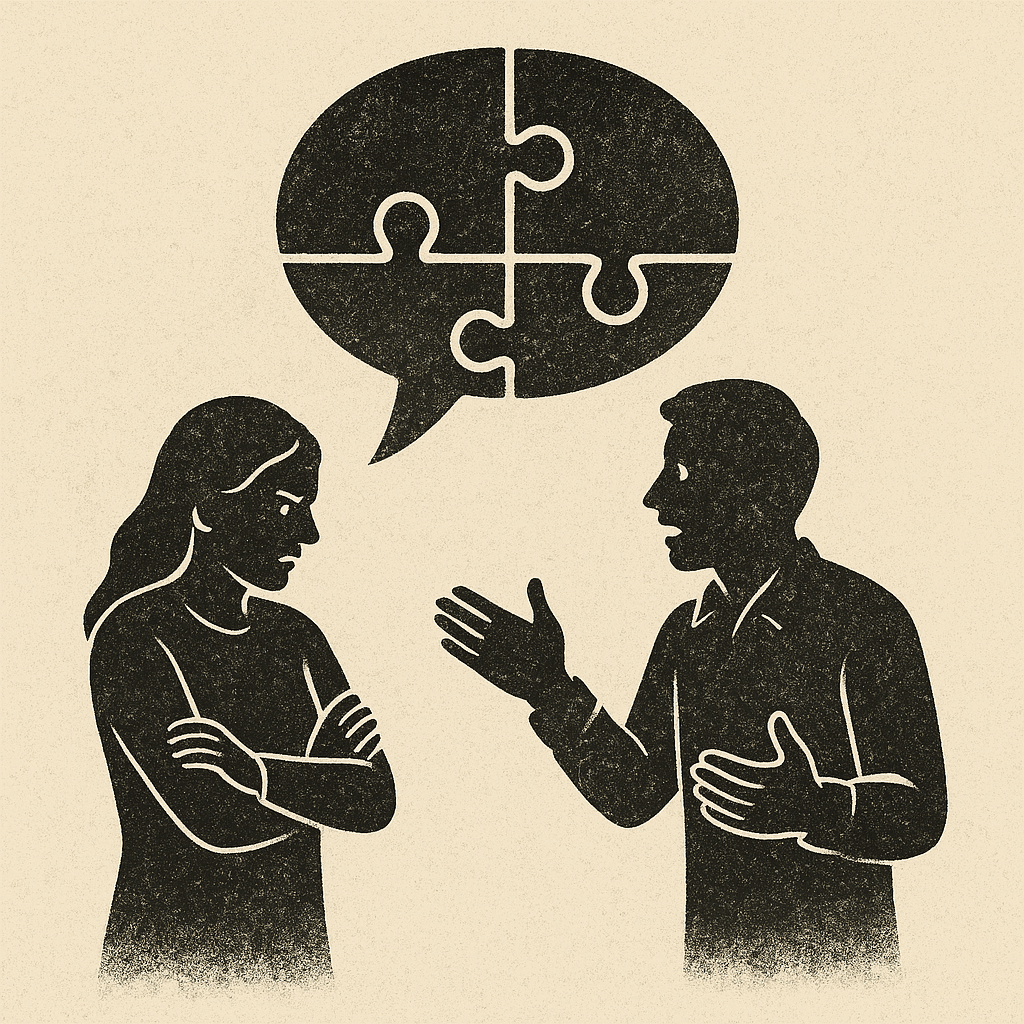
- Crossed arms – Often a sign of defensiveness or resistance.
- Direct eye contact – Can signal confidence or dominance.
- Feet pointed away – Indicates a desire to leave or discomfort.
- Leaning in – Suggests interest, trust, or openness.
- Fidgeting hands – Signals nervousness, anxiety, or lack of control.
In martial arts, timing, posture, and intention matter. So it is with body language. A well-timed smile can disarm tension. A grounded stance can command respect. And like a master of any art, those fluent in body language can navigate conflict, build alliances, and shift dynamics without ever raising a fist.
So yes — body language is a martial art. It’s the invisible form, the silent sparring that shapes outcomes in business, relationships, and everyday life. And like all true arts, it begins with awareness, deepens with practice, and becomes transformative through presence.
Dr. David Orman is an Acupuncture Physician, Nutrition Expert, and lifelong martial artist. Learn more at davidorman.com.
 Central FL Systema